What Is Social Anxiety?
What is social anxiety disorder, the fear of being judged by others and embarrassed? How can you recognise it, and what happens in therapy?


What Is Social Anxiety Disorder?
In social anxiety disorder, formerly called social phobia, a person experiences intense anxiety when they enter situations where they believe they will be judged by others or will humiliate and embarrass themselves, and their mind becomes preoccupied with these negative thoughts. After a while, when this intense anxiety becomes unmanageable, the person starts avoiding such social situations. They may also fear eating in front of others or others noticing that their hands or voice are shaking, and therefore noticing their anxiety. People with social anxiety disorder are very afraid of making a mistake while speaking in public and being humiliated as a result, or even of a slip of the tongue that would leave them exposed to the other person's judgement and embarrassed.
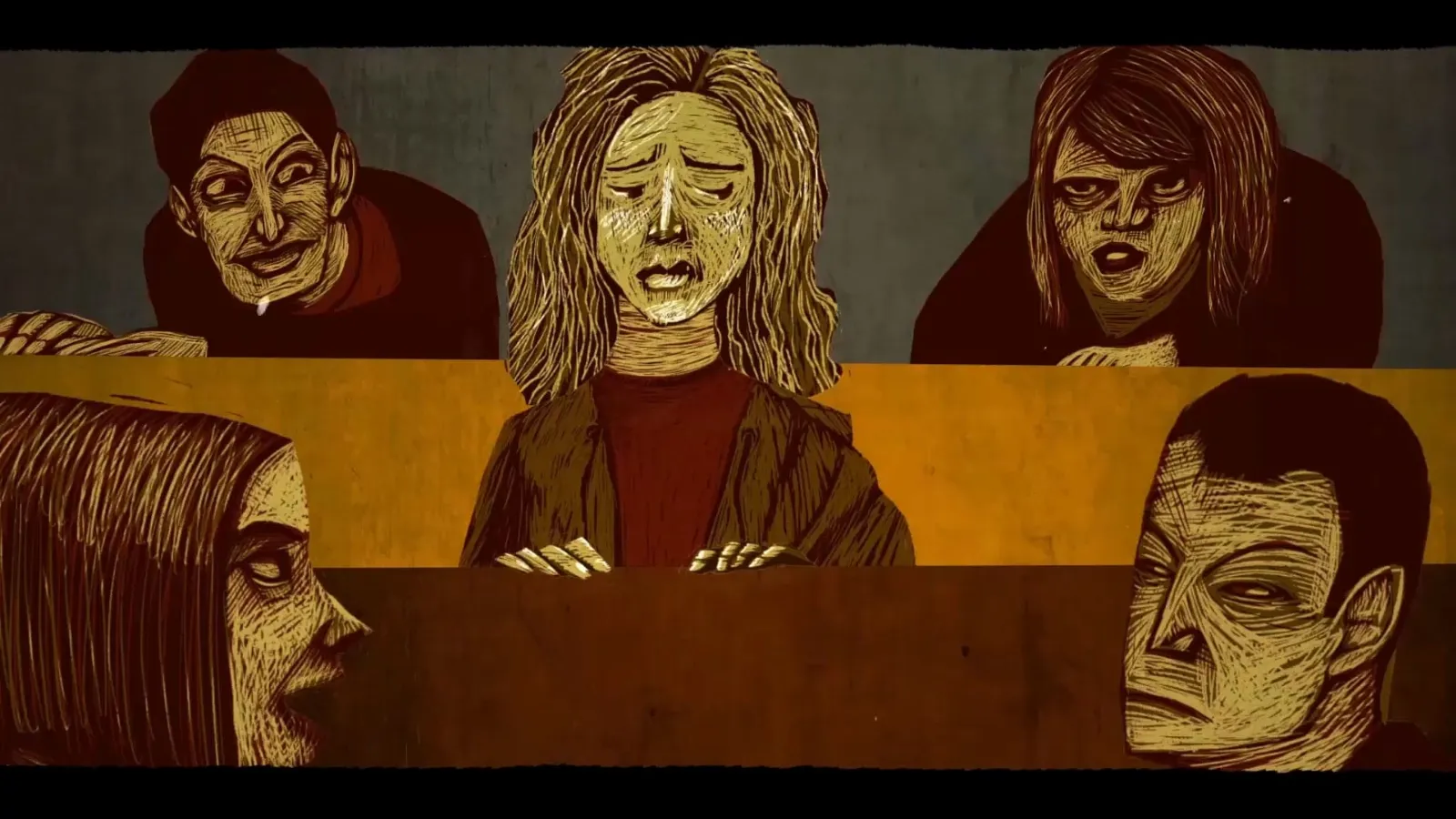
But don't we all get nervous when speaking in public? Does that mean we all have social anxiety disorder?
No.
In social anxiety disorder, the social situations described above almost always cause anxiety that reaches the level of panic; the person avoids these situations as much as possible and feels extreme distress when they can't. In fact, the person is usually aware that the anxiety and fear they feel are excessive and unnecessary. But this anxiety and fear have reached a level that disrupts daily functioning. Their social life, and sometimes their working life, has started to become restricted; they have begun to organise their life around situations in which they won't feel social anxiety, and to become isolated.
The good news is that social anxiety disorder, which is worked on very successfully with cognitive behavioural therapy, can be treated with therapy. In the therapy process, we first work on the situations that trigger the anxiety, the emotions and thoughts experienced in those situations and what the person does with these emotions and thoughts. Once this process is clearly understood, the client, together with the therapist, learns to recognise what triggers their social anxiety (events, situations, thoughts, bodily reactions). A treatment plan is then prepared with the client, who comes to see that the methods they have used so far to reduce their anxiety actually keep the mechanism going in the long run. The treatment plan includes components such as approaching the stimuli that trigger the anxiety, role plays, social skills training and working on unrealistic thought patterns. Although it varies from client to client, a treatment process of around 9–12 sessions on average is planned.