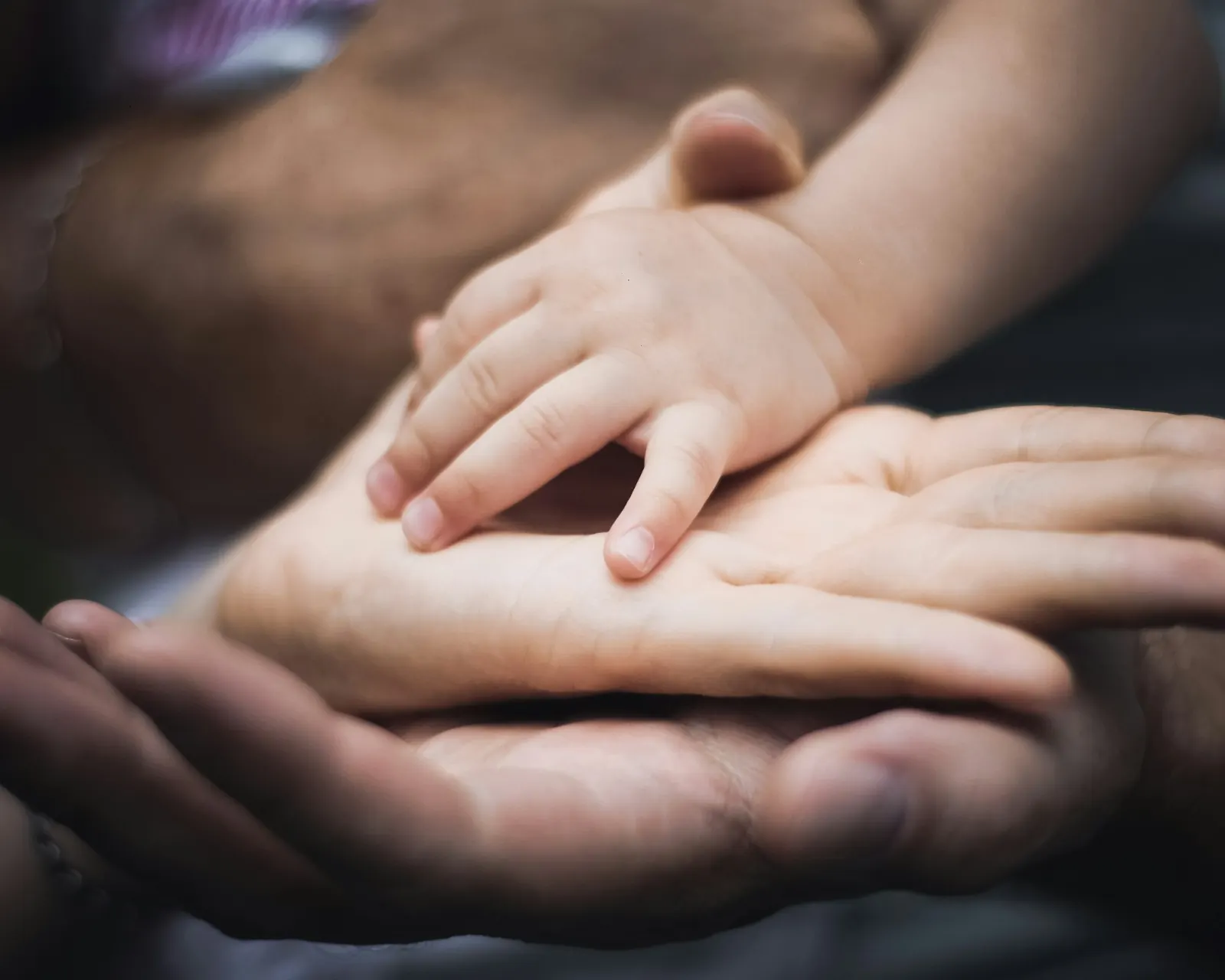
The “I Must Always Be Strong” Belief: The Invisible Weight of the Burden
The belief that “I must always be strong” looks like resilience from the outside, while loneliness and burnout build up inside. Where this belief comes from and how to loosen it.


The belief that “I must always be strong” may look like admirable resilience from the outside, but for the person carrying it, it can be a psychological burden that wears them down and isolates them.
The “I Must Always Be Strong” Belief
This belief often rests on foundations laid in childhood:
- Roles within the family: Becoming “the responsible child of the family” at a young age, carrying a parent's emotional burden, looking after siblings…
- Messages from society: Patterns such as “Crying is weakness”, “Don't show your troubles to anyone” and “Don't trust everyone”.
- Role models: Parents who never showed their feelings, or adult figures who always sent the message “stay strong”.
Someone who grows up in this environment learns that showing vulnerability is dangerous and that asking for support means “being a burden”. As a result, they carry armour all their life.
That armour may look protective from the outside, but from the inside it is a heavy prison.
The Key Steps of the Psychological Process
Awareness
This belief isn't easy to notice, because for the person it is usually a “natural” way of living. From a schema therapy perspective, it is linked to the “self-sacrifice” or “unrelenting standards” schemas. For example, saying “They need me, I can't stop” despite being exhausted is a reflection of this belief.
Acceptance
Acceptance means understanding that weakness and needing support are part of being human. According to attachment theory, in securely attached relationships a person knows they can lean on someone else when things are hard. The acceptance stage begins with the sentence “I don't have to do this alone.”
Grief
Here we grieve not for a person we have lost, but for an “image” we have lost. What is grieved is the ideal self that “can handle everything and stands tall in every situation”. This grief is necessary for the person to move towards a more realistic and human sense of self.
Making meaning
Real strength is not just enduring pain; it is being able to show it. In emotion-focused therapy, when vulnerable emotions (sadness, loneliness, fear) are expressed, the person forms a deeper connection with both themselves and their relationships.
Emotion regulation
Being able to show yourself compassion when you feel weak is the most healing stage of this process. Mindfulness techniques, breathing exercises and keeping an emotion diary can be supportive at this stage.
How the Process Begins and Unfolds in Therapy
In therapy, this belief usually comes up in sentences such as:
- “If I cry, everyone will fall apart.”
- “I find it hard to ask for help.”
- “If I show my feelings, I'll lose control.”
The first goal is for the client to experience a safe space. This is the foundation of the therapeutic alliance. After that:
- Cognitive restructuring: Questioning the belief that “asking for support is weakness”.
- Role-reversal work: Making room for the client to step into the role of someone asking for help and experience that feeling.
- Emotion-focused interventions: Bringing suppressed sadness, anger or disappointment to the surface.
Common Misunderstandings
Being strong = never struggling
- The reality: Being strong means being able to seek support even when you are struggling.
- Example: Saying “I've had a really hard week, will you be there for me?” isn't weakness; it's maturity.
Weakness = failure
- The reality: Weakness is a sign not of failure but of being human.
- Case example: A successful manager comes to therapy when experiencing burnout. Once they accept their vulnerability, they become more balanced in both their work and their private life.
Sharing your feelings = dependence
- The reality: Sharing isn't dependence; it is the path to mutual trust and connection.
Without our realising it, the belief that “I must always be strong” can make our relationships distant and leave us alone with ourselves. Yet real strength means being able to hold both resilience and vulnerability. Letting go of this belief allows us to look at life more lightly, more openly and more deeply.